

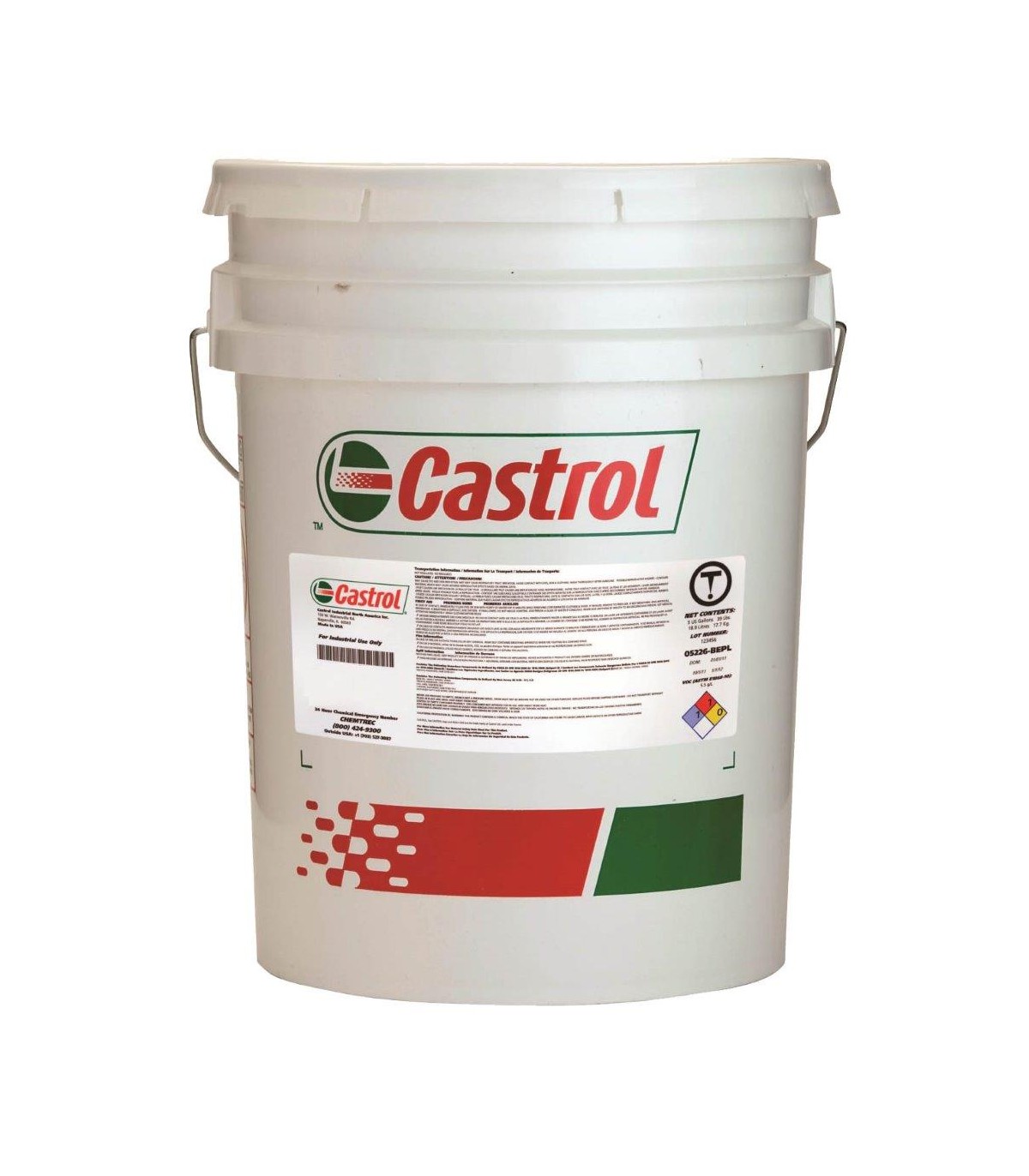


Description
Castrol Molub-Alloy™ 950 gear oil is specifically formulated for use when a MIL-L-2105C, D or API GL-5 oil is specified.
Because Molub-Alloy 950 gear oil contain highly effective friction modifiers, it is not recommended for use in limited-slip
axles with friction elements. Molub-Alloy 950 gear oil is manufactured from the highest quality components, carefully
selected for compatibility with Molub-Alloy lubricating solids and their recommended applications. Metallic self-lubricating
solids of suitable grade are treated to increase their natural positive affinity to metal surfaces and are completely
dispersed to assure effectiveness during the lubricant's full working life. Rust and oxidation inhibiting characteristics are
maximized to afford effective rust protection and long life of the oil. Load carrying capabilities are derived from Molub-Alloy's
formulation, which is non-corrosive to all ferrous and non-ferrous metals. Foaming is prevented by unique compounding
techniques and inhibitors.
Application
Molub-Alloy 950 gear oil is formulated to meet ISO Viscosity Grade 460 requirements and is for use only when a MILL2105C, D or GL-5 Oil is specified. Application methods of Molub-Alloy 950 gear oil are by oil cup, reservoir, splash, spray
mist or by automatic dispensing equipment and central oiling or circulation systems.
Advantages
Reduced friction, most evident under boundary conditions, is directly attributed to the presence of specially compounded
lubricating solids. This benefit is most pronounced where frequent start-up, slow speeds and high and unexpected loads
are encountered. Substantial increases in the working life of both parts and lubricant is provided by the establishment of a
protective layer of Molub-Alloy solids. This will result in an increased load bearing area, which reduces unit pressures,
operating temperatures and wear. Realistic energy savings are possible through a reduction in peak power demand
during cold start-up. Seal leakage is greatly reduced. Only compatible base oils that control rubber-swelling tendencies
are used. Overall savings are derived from the above and result from less labour downtime, smoother, more efficient
operation with longer parts life, and extended lubrication cycles.
Related products

 English
 Türkçe